Will R is a member of the Metro DC DSA Internationalism Working Group
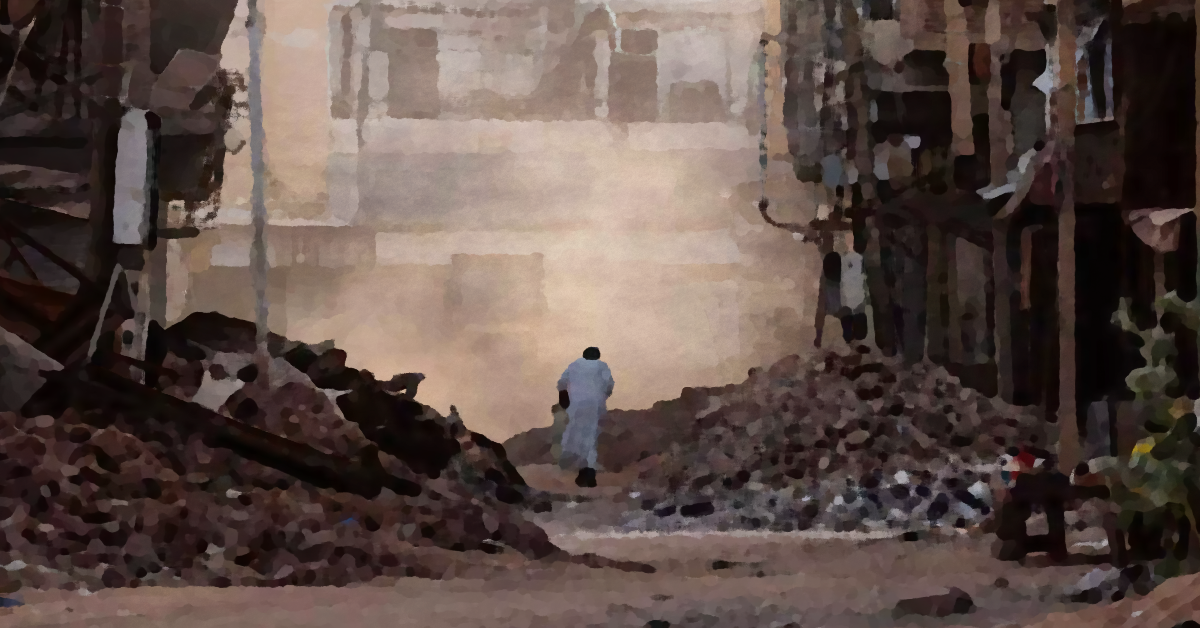
While international attention has been drawn to illegal kidnappings of foreign leaders, illegitimate “Boards of Peace,” and now an imperialist war on Iran, one of the 21st century’s most horrific crimes has raged on: the United Arab Emirates (UAE)-backed genocide in Sudan.
The war in Sudan has lasted for over two years, primarily pitting state forces, the Sudanese Armed Forces (SAF), against the Rapid Support Forces (RSF), a non-state paramilitary group bankrolled by the UAE and waging a genocidal campaign throughout the country. In mainstream Western media and foreign policy narratives, the conflict is described as a power struggle between two opposing forces, specifically over reforms to the Sudanese military and the country’s political system. However, this narrative obscures a much darker reality. Outside actors — namely, but not exclusively, the UAE — have exploited Sudan’s internal struggles to take control of the country’s resources and security framework.
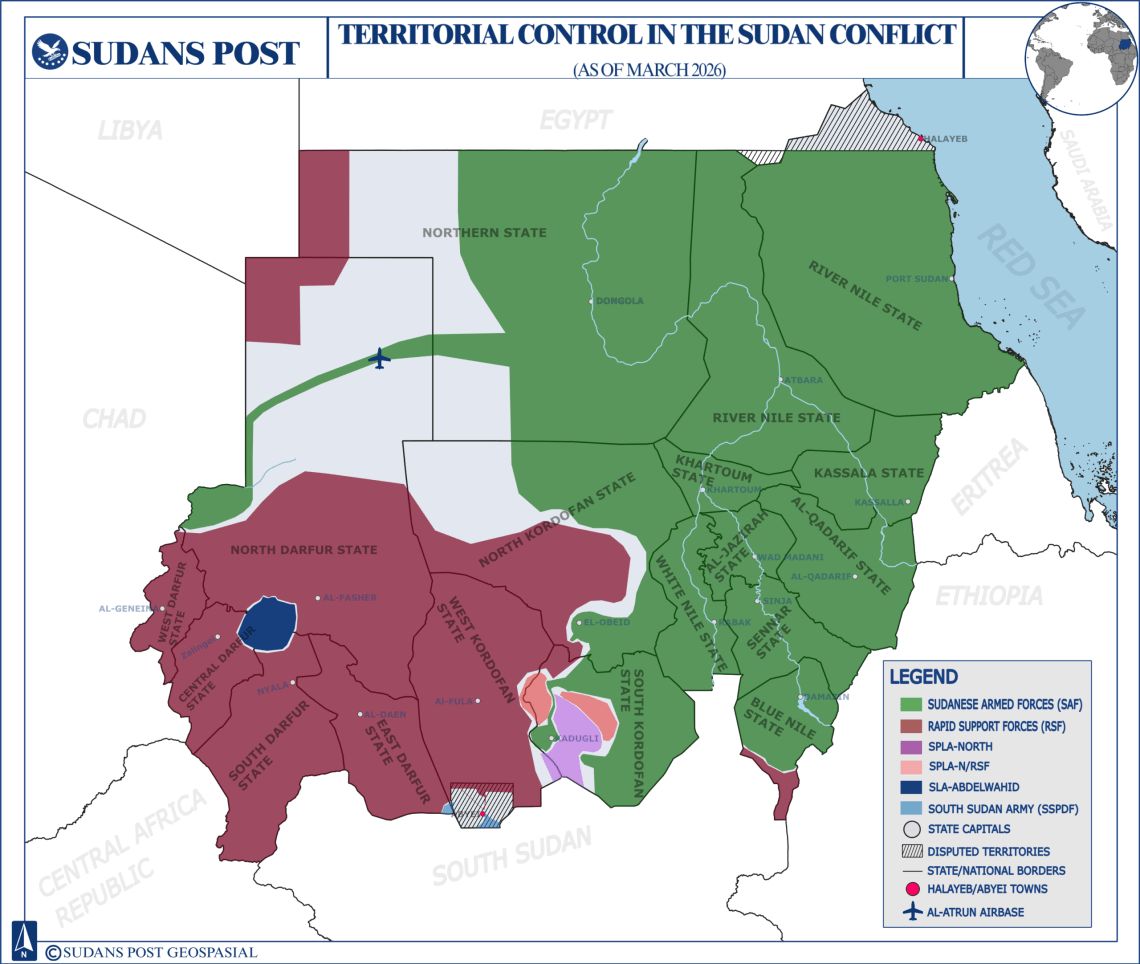
The roots of the genocide are nearly two decades old. The RSF emerged from the janjaweed militias that fought in the War in Darfur in the mid-2000s. During the war, these militias committed massive human rights violations, including genocide, with the backing of the Sudanese Armed Forces under former dictator Omar al-Bashir. The unification and formalization of these militias in 2013 established the RSF, which was subsequently instrumentalized by al-Bashir to suppress armed rebel groups, leading to further human rights abuses. The RSF became an army within the army, serving as al-Bashir’s “praetorian guard” and leading to rivalries between the paramilitary and the Sudanese army and intelligence.
Outside actors then exacerbated this dynamic. In 2015, Sudan struck a deal with Saudi Arabia and the UAE to send Sudanese soldiers to fight in Yemen; most of those soldiers were RSF fighters. The Yemen War solidified relations between the UAE and the RSF, at a time when the RSF was simultaneously deepening its hold on Sudanese gold mining operations. Much of this gold was (and is) smuggled to the UAE. In 2022, the UAE’s interest in Sudan (at that point ruled by an RSF-SAF military junta) grew when a UAE-based consortium, including the state-owned Abu Dhabi Ports Group, obtained the rights to a vast stretch of Sudanese coastal land along the Red Sea, a geopolitically sensitive coastline due to its importance as a trade corridor and its proximity to Egypt and UAE rival Saudi Arabia. When tensions arose between the two ruling groups in 2023, the UAE’s support for the RSF emboldened the group to launch its attack on SAF power, triggering today’s ongoing genocide.
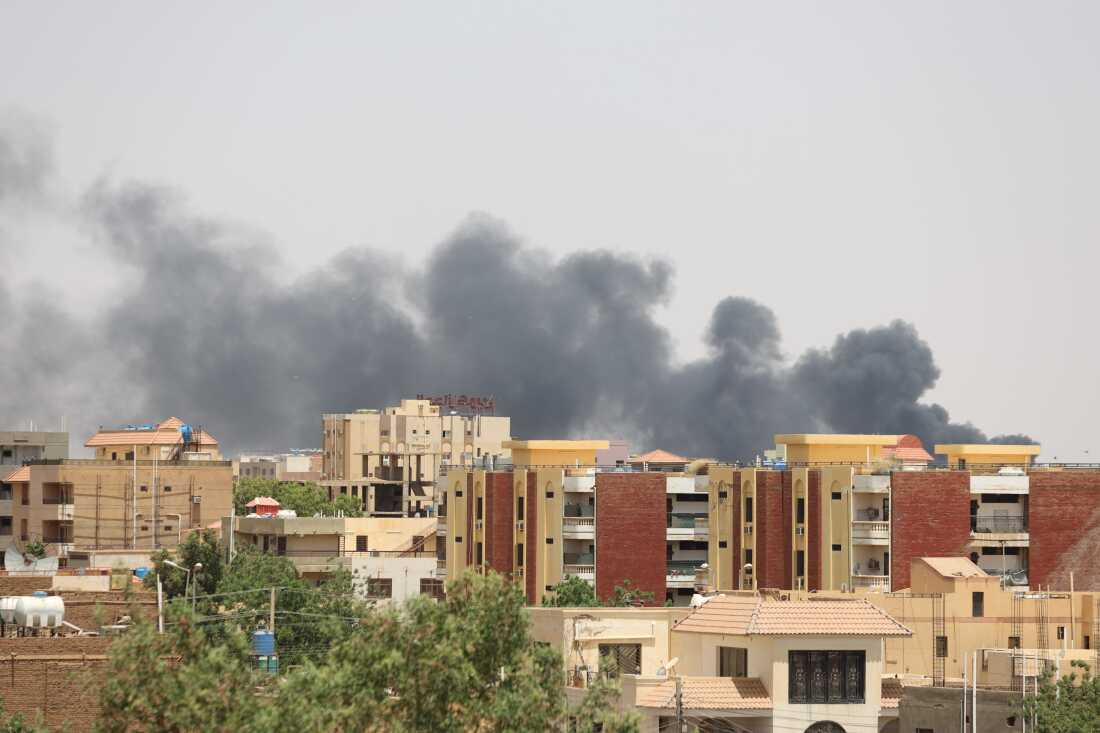
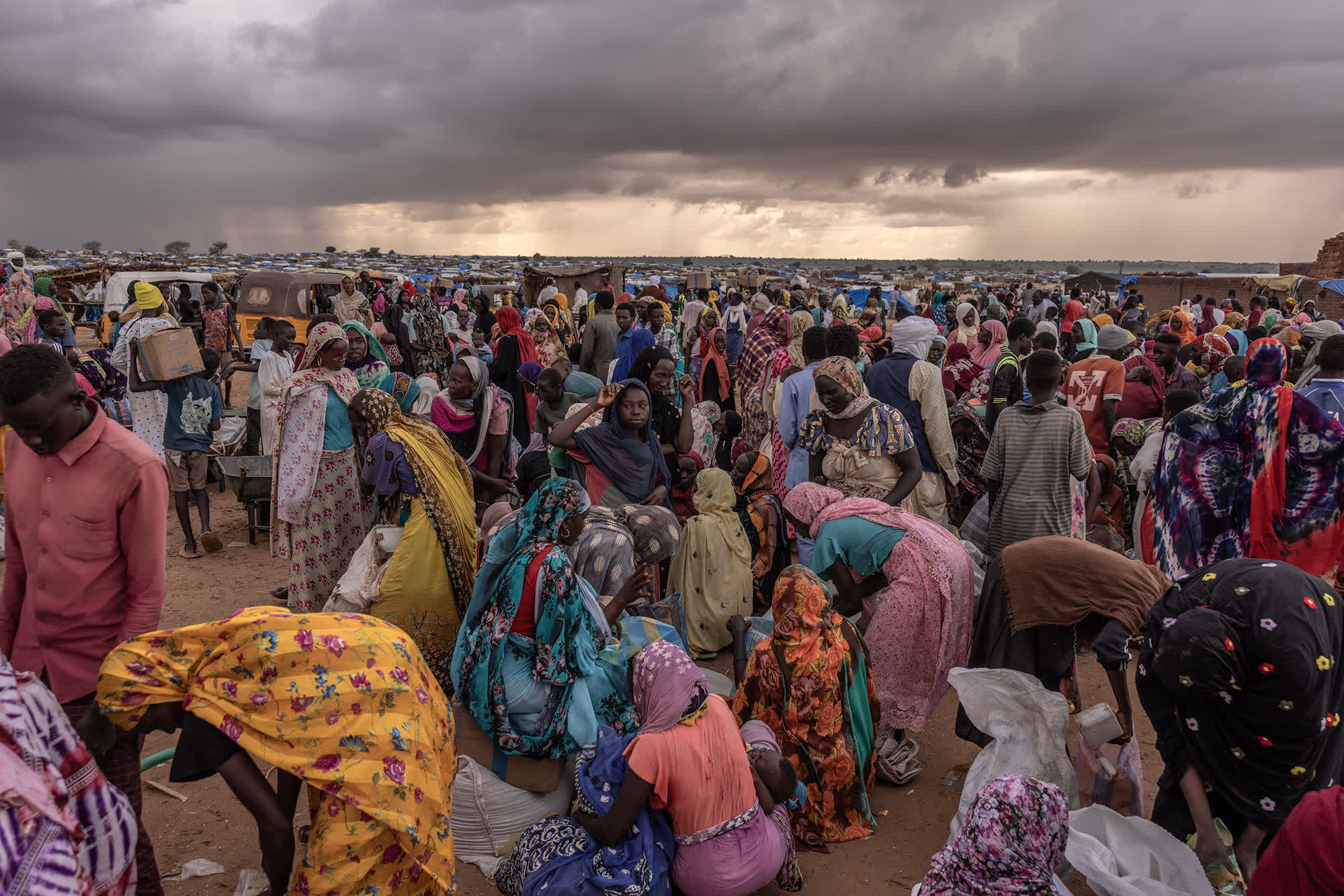
The conflict has been apocalyptic. Atrocity crimes, including extrajudicial kilings, sexual violence, destruction of civilian infrastructure, and looting, are widespread. In October 2025, the RSF committed atrocities in El Fasher after besieging the city for 18 months, killing hundreds of civilians and raping women and girls while taking over the city. The RSF continued their murderous rampage in November 2025 in the Kordofan region, besieging cities and committing mass killings and rapes. During these massacres, RSF forces used racial slurs targeting non-Arab communities. Furthermore, the worst atrocities happened after the RSF had gained control over these areas, targeting defenseless civilians. Accordingly, a United Nations (UN) fact-finding mission recently concluded that the RSF’s crimes in El Fasher constituted acts of genocide. These crimes have turned Sudan into the “world’s worst health and humanitarian crisis,” marked by famine, internal displacement, and a collapse of the health system. Throughout the conflict, the UAE has rewarded the RSF for its loyalty, supplying arms, financial support, and diplomatic cover.
Attempts at peace have been farcical. Not only has the UAE repeatedly violated a United Nations arms embargo by arming the RSF, they are part of “the Quad,” a coalition that also includes the United States, Saudi Arabia, and Egypt, tasked with mediating a peace deal. The inclusion of a party arming a genocide in a coalition meant to end that same genocide demonstrates the hypocrisy of the current international order, but in a world that has allowed and enabled the genocide in Gaza, it is all too consistent. The Quad’s latest peace framework reveals the cruelty of the coalition’s approach, as it allows the RSF to retain “local governance structures in the areas under its control” — the same areas where it has committed a genocide.
In the past, such blatant war crimes and genocidal acts, intensified by outside interference, would have prompted appeals to a “rules-based international order,” however disingenuous these calls may have been. Yet, with the return of a “might makes right” world today, one that places national interest above humanitarian values, the model of brute force seen in Sudan is at risk of proliferating. As indicated by US Secretary of State Marco Rubio’s recent speech at the Munich Security Conference, the United States is returning to a policy of open and unapologetic imperialism and is urging the rest of the West to do the same. The United States is further signaling its willingness to turn a blind eye to violence around the globe, as long as that violence serves US interests.
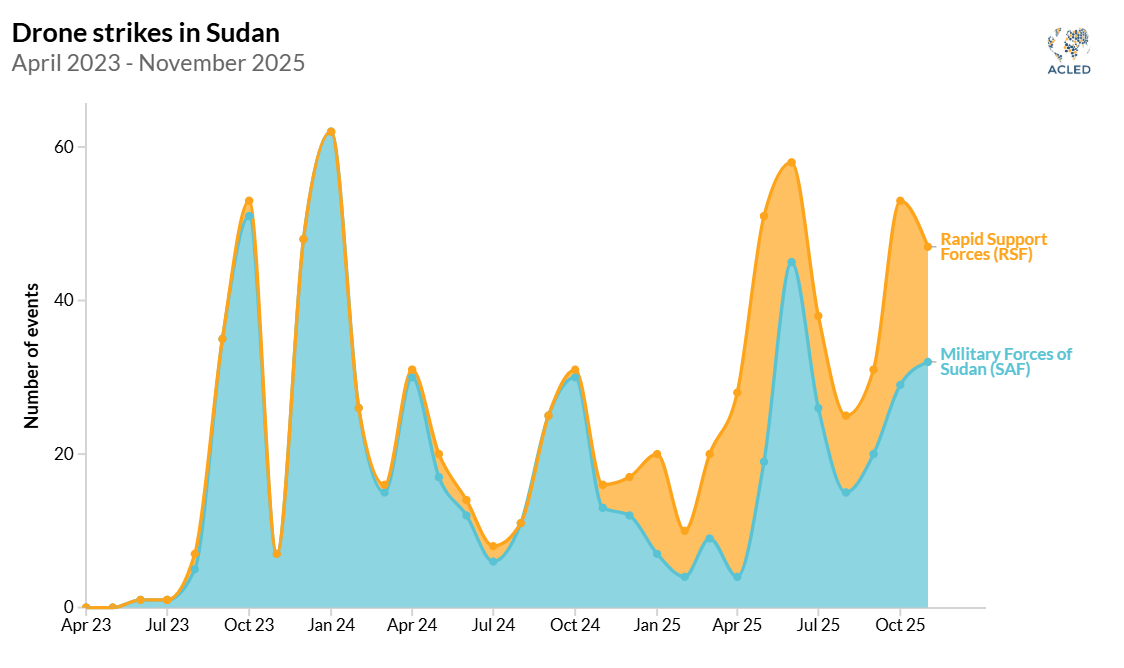
The UAE’s role in the genocide in Sudan is part of this US-led imperialist project, as a kind of “subimperialism.” On the one hand, the UAE remains dependent on the United States, relying on the US for defence by hosting US troops in military bases and supporting US military actions in the Middle East. On the other hand, the UAE has become increasingly autonomous in its own imperialist activities, particularly in Africa, where the Emiratis have expanded their economic footprint and military agreements. The UAE has weapon transit hubs and military infrastructure that support the RSF in Chad, Libya, the Central African Republic, and South Sudan. In recent decades, the UAE has been the fourth-largest foreign direct investor in Africa, investing over $6 billion in countries throughout the continent, and has pledged $97 billion in new investments in Africa over the last two years, three times more than China’s commitments. As Husam Mahjoub writes in Spectre, the UAE wants “influence without governance and power without accountability” in Africa. This dynamic is what fuels the UAE’s relationship with the RSF: the RSF is willing to protect UAE investments without hesitation, no matter the human cost.
The US is happy to outsource its imperialism to a dependent country willing to protect the global capitalist order: subimperialism keeps the US’s hands clean. The UAE, along with other US allies in the Middle East such as Egypt and Saudi Arabia, can be used to cudgel democratic uprisings in the region that could threaten US hegemony, without the US needing to intervene. These American allies impose a specter of counterrevolution throughout the region, crushing hopes of progressive change. With the expansion of the UAE’s activities in Africa and the return of an overtly imperialist international order, Sudan is just the beginning. For that reason, Sudan’s struggle is humanity’s struggle.
To support Sudan and build a resistance to imperialism, we must begin by building international solidarity at home in the DMV. To help raise funds for those affected by the genocide in Sudan, Hope and Haven for Refugees is collecting donations to distribute Ramadan food parcels to Sudanese families. The NoThanks App provides information on brands, corporations, and stores that profit from the Sudanese and Gaza genocides to help guide boycotts. Additionally, look for more information soon on a May Sudan teach-in led by Rise Up for Sudan. For those interested in an in-depth analysis on the genocide in Sudan and how to build solidarity with the Sudanese people, Comrades Education and Decolonize Sudan are hosting a six-session online course and community of engagement beginning on April 5, 2026.
To help build an internationalist and anti-imperialist socialism here in the United States, join Metro DSA’s Internationalism Working Group, where we organize around Sudan, Palestine, Cuba, the Philippines, Korea, and people’s movements throughout the world. Our next monthly meeting is March 15, 2026, and you can RSVP here. To end the imperialist order, we must fight from the heart of the empire.
Together, we can fight for justice in Sudan.