
Shonin Anacker lives in Prince George's County with his wife, two children, and three cats. He worked for many years as a geographer at the United States Census Bureau and remains deeply interested in the role that place and landscape play both in historical change and in the self-perception of individuals.
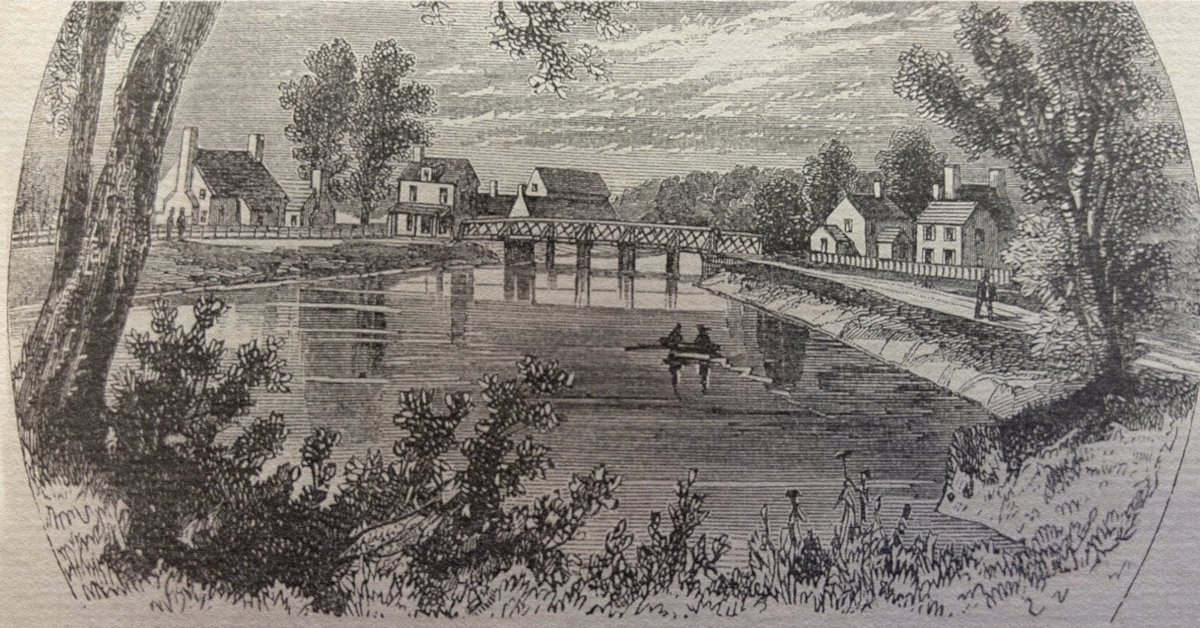
BLADENSBURG, MARYLAND IS MUCH OLDER THAN WASHINGTON, DC. Long before the capital was planned, there were only three towns in the area: Alexandria, Georgetown, and Bladensburg. Bunker Hill Road is the oldest road in the entire DC area, and it once linked Bladensburg to Georgetown. Another road went south from Bladensburg to the Alexandria ferry. That was what there was around here back then, at least in terms of urban centers. Of course, native people had lived in the area long before any of these settlements were founded, and most people in the area did not live in urban centers until fairly recently. But the 17th century traveler trodding the paths of the area would have had three options when it came to finding an inn, or a tavern, or any of the services associated with a town.
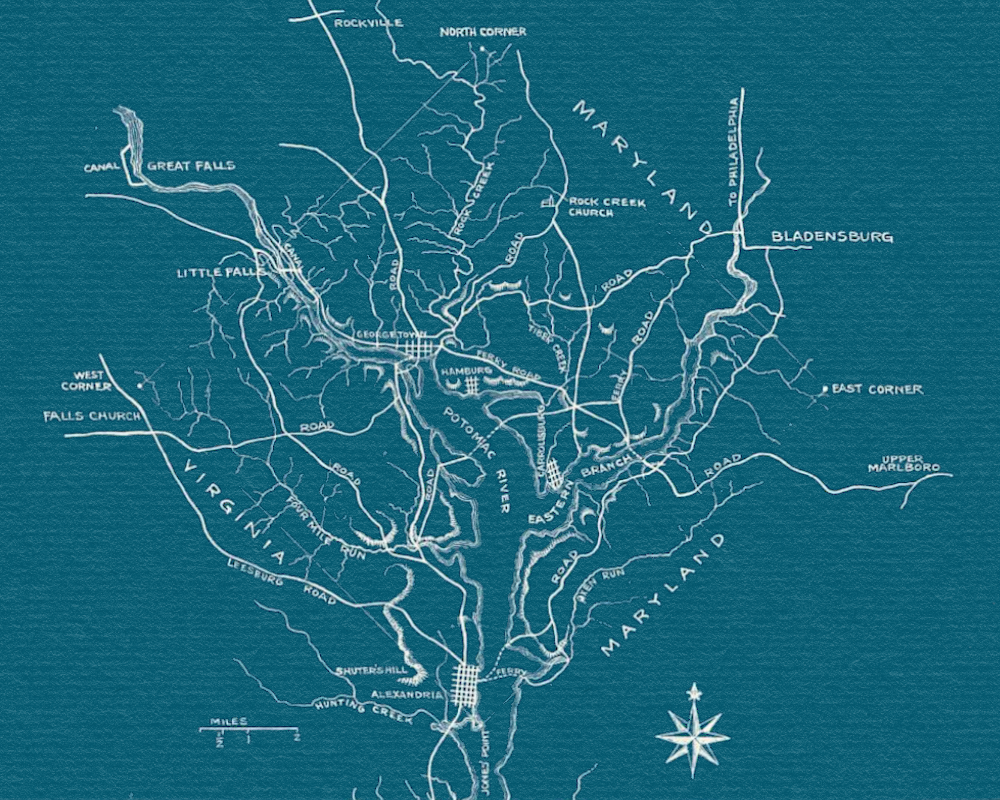
It is hard to imagine what this landscape actually looked or felt like back then, but by embarking on foot between these centers and trying to envisage what was present and what was absent, we can at least appreciate certain elements of it. Guide books encourage this kind of thing when it comes to Georgetown and Alexandria, but Bladensburg is usually left out.
Today Georgetown and Alexandria are both wealthy, self-consciously “historic” districts, with strict preservation ordinances. Tourists come from distant points to see them and their meticulously curated townscapes and gardens. Alexandria and Georgetown are both full of remarkable historical events and beautiful buildings. At some point in time, they both became museum pieces in their physical form, but they remain, even today, living centers of power. Lobbyists and diplomats still fill their streets. Politicians and high churchmen still live in their restored rowhouses. Nothing is allowed to decay or degenerate in either Georgetown or Alexandria. Money and preservation laws can preserve these places in an imagined state of youth, theoretically forever.
Bladensburg started out very similar to Alexandria and Georgetown. Like the other two towns, it began as a tobacco port. It was also home to some wealthy and influential colonial elites. And it stood close to the new capital and participated in the birth of the new nation. But Bladensburg took a very different path; it has had a very different fate.
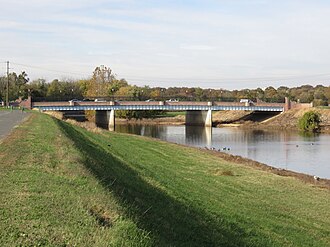
The best way to approach Bladensburg is from the south, along Bladensburg Road. This is the direction from which Clover Adams probably would have approached the town when she came to take photographs of it in the late 19th century. Clover was one of the earliest American amateur photographers. Although she lived in Washington, Clover seemed to take almost as many pictures of Bladensburg as she did of the capital. The small town was already well past its “prime” when she documented it. Perhaps Clover was drawn to the place for its melancholy air.
Clover’s Bladensburg photos can be seen on the website of the Massachusetts Historical Society. Both she and her husband Henry Adams were originally Boston bluebloods, though they lived most of their lives in Washington. Henry was John Adams’ grandson. The Adamses are said to be the closest thing to aristocrats that the United States has ever had. At least so far.
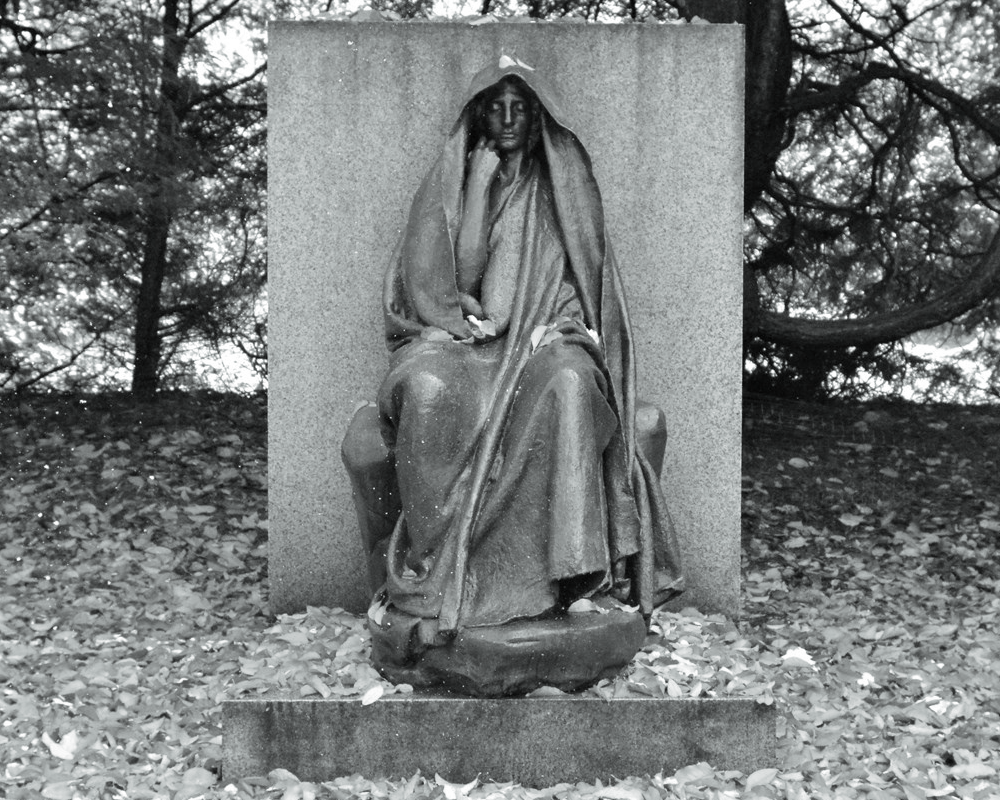
Clover took her Bladensburg pictures in what appears to be late Autumn. There are bare trees, snowless ground, and forlorn houses. This was in 1885. Clover died by suicide that same year, at the age of 42. She did this by drinking her own photographic chemicals. After you visit Bladensburg, you can visit Clover’s grave memorial in Rock Creek Cemetery, which was commissioned by her husband. It is the best depiction of grief I have ever seen.
From an examination of Clover’s photographs, it appears that at least one of the Bladensburg buildings she photographed — the Hilleary-Magruder House — still stands. It is now ensconced in a Kenilworth Avenue highway cloverleaf, with traffic whizzing all around it. Clover would have probably appreciated this. Bladensburg sits crushed by the weight of its history, broken up and abused, neglected and bypassed by each new wave of history always pushing to the west. Clover and Henry probably felt the same. We know Henry’s grandfather John Quincy Adams certainly did. We think today that Manifest Destiny was an idea that all Americans agreed with, that everyone longed for the nation to reach from shore to shore, or at least considered this expansion to be inevitable. But there were many in the eastern states who were opposed to this project, not only for moral or anti-imperial reasons but because they believed that the rise of the west might weaken the east and lead to its abandonment.
What exactly happened to Bladensburg? It started its existence as a deep-water tobacco port. This port “battled” silt for its entire existence, trying to ensure that the shipping channel remained deep enough for ships to come through. It eventually lost that battle, and the tall ships stopped coming. But Bladensburg did not disappear. It never met the fate of countless other colonial-era ports which vanished completely, leaving only ruins behind. It remained occupied the entire time, up to the present day. Nor was old Bladensburg ever completely obliterated by development, although highway and industrial construction did eventually slice and dice its historic core into the unrecognizable fragments one sees today. Despite all the wounds inflicted on Bladensburg — the highways cutting it up, the pollution dumped into its river, the surrounding municipalities founded with the express purpose of limiting its growth — a bright thread of identity connects it to its past. In some ways it still feels like what it always was: a decadent third-tier port town.
The county government has lately, finally tried to commemorate the remarkable history of Bladensburg, but few tourists ever come here. This is because by the conventional standards of urban beauty, Bladensburg is an ugly town. Walking towards it, one gets the sense of entering a place that no one has ever cared about. America is full of unloved places, but there may be no place in the entire country that has been continually unloved for as long as Bladensburg has.
The first thing you will see upon entering Bladensburg is the old dueling grounds. This place where dozens of hotheaded or reluctant, honor-bound men met their doom is still there. It is also still what it was — a random patch of grass chosen entirely for its convenient location near the DC boundary. The only way the untrained eye would know about these formerly “Dark and Bloody Grounds” is from the historical plaque that was erected nearby. These days it sits next to a concrete channelized stream and an IHOP, but some of the trees that witnessed these duels might still be standing. There are majestic oaks which may have seen the 1820 mortal wounding of Stephen Decatur, the most famous victim of the dueling grounds.
Walking on from the dueling grounds, make sure to pay a visit to the Fort Lincoln Cemetery, where you can see one of the oldest structures in Maryland, the Old Spring House. Then explore the creepy cemetery church and the even creepier mausoleum. Admire the 1930s stained glass work depicting classic works of English literature such as Dickens’ Christmas Carol and Coleridge’s Rime of the Ancient Mariner. It is unlikely you will see another living soul anywhere around there.
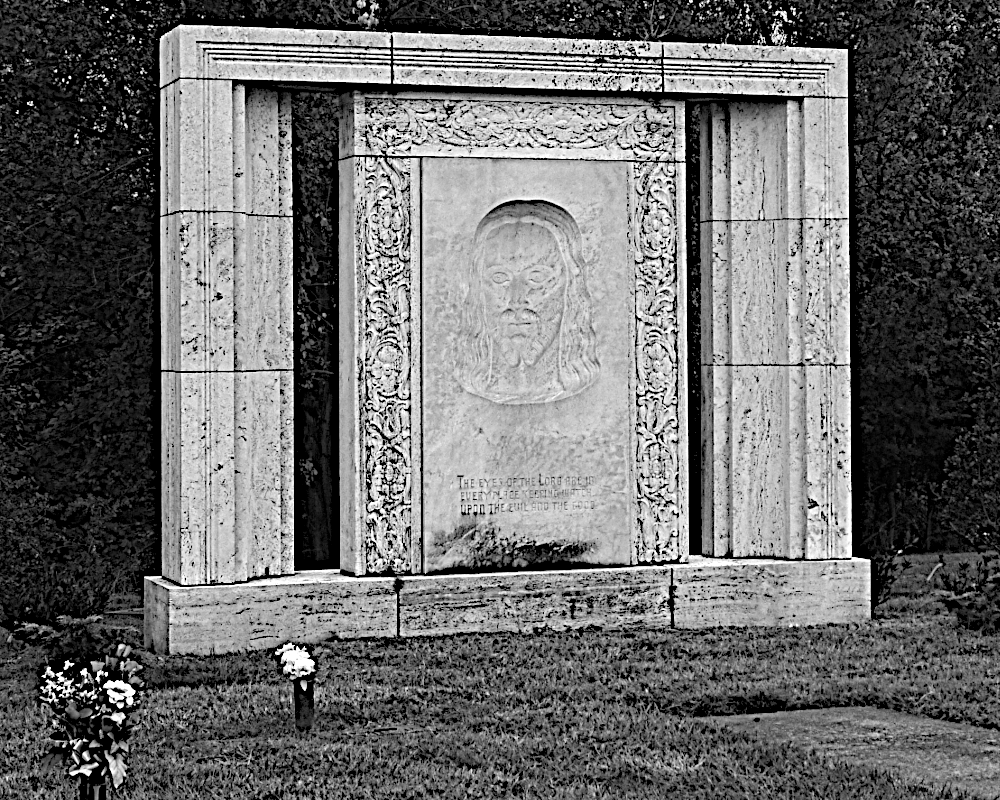
Visit the remnants of Fort Lincoln, which entomb a fine, sad-looking statue of the martyr-president looming over the earthworks. This fort saw no action in the Civil War; it did its job just by being there. Continue out into the cemetery grounds and find the Unification Church (“Moonie”) burial section, the Jesus sculpture whose eyes were sculpted in such a way that they appear to follow you, and the granite Freemason throne, which you can sit on.
While plenty of remnants, like Fort Lincoln, remain in Bladensburg, it does not offer much in the way of ruins. There is nothing like the rusty hulks of Detroit or the burnt-out rowhouses of Baltimore that attract so many “urban explorers.” The town is very much alive in standard demographic terms: in fact, it reached its highest population ever in 2020. Do not expect to come here and feel some Ozymandias-like sense of catharsis. Maybe it felt like that in Clover Adam’s day, when it had less than 500 residents. Today it is something else entirely again, something that cannot really be classified. The nostalgia for ruins that signify a former greatness or beauty cannot apply. We can only say that there are multiple stages of this forsaken state that Bladensburg has had to pass through; the exact differences between these stages are hard to frame as either a story of progress or of downfall.
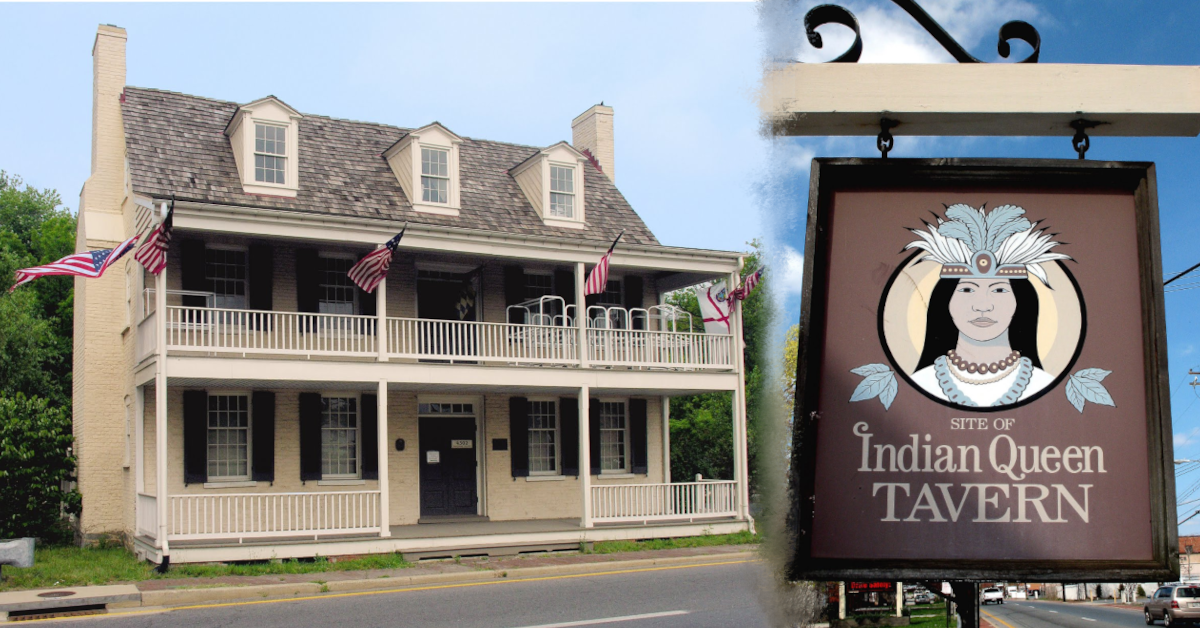
Bladensburg does have a connection with the Freemasons, for it was the hometown of William Wirt. The Indian Queen Tavern (which still stands today) was once the home of the Wirt family; William’s German immigrant father sold it to pay for his son’s education. Wirt was the United States attorney general from 1817 to 1829 and a presidential candidate in 1832. He ran against Andrew Jackson for the Anti-Masonic Party nomination (the earliest third party in the United States), even though he did not himself believe in the prevalent anti-Masonic conspiracy theories of his day. Wirt had already clashed with Jackson as early as 1830, when he represented the Cherokee Nation in Supreme Court cases challenging the indigenous removal policies of the state of Georgia. Wirt won these court cases, but Jackson simply ignored the court and removed the Cherokee to “Indian Territory” anyway. Nevertheless, these court cases established the American concept of tribal sovereignty which still exists today.
William Wirt was also, according to historians, possibly the most reluctant and most unwilling presidential candidate ever nominated by an American party. He hoped to bring down Jackson on many occasions but did not come close to doing so, perhaps because of this reluctance. Wirt was an ally of John Quincy Adams, who had also been considered for the Anti-Masonic ticket but was rejected due to his deep unpopularity. Both Wirt and Adams were well aware that their anti-expansionist views were not shared by the majority of the population.
In his time, many considered Wirt to be the “Chief Man of Letters of the South.” He was a slaveowner. He may have invented the phrase “Give Me Liberty or Give Me Death.” More than any other occupant of the office, he defined the role of the attorney general in the federal government. He is buried in Congressional Cemetery, along the banks of the Anacostia, only a few miles from his Bladensburg birthplace.
Now you can walk on, following the Dueling Creek down to the Anacostia along the Colmar Manor Park Trails. Those who enjoy solitude will enjoy this part of the walk, particularly the area of high palisades along the river. These are not natural palisades but have been built up over many years of dredging and dumping — reminders of that long battle against silt.
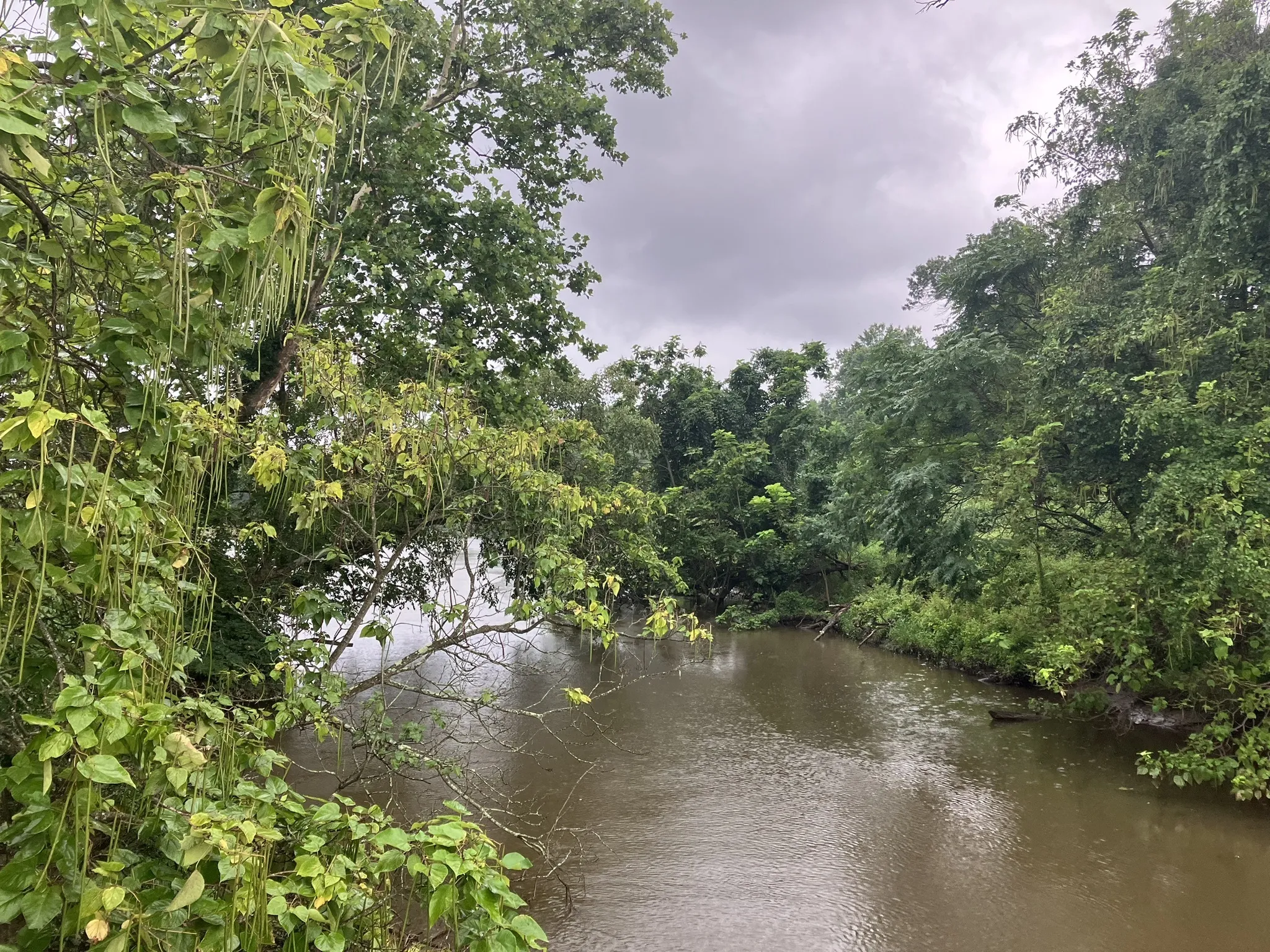
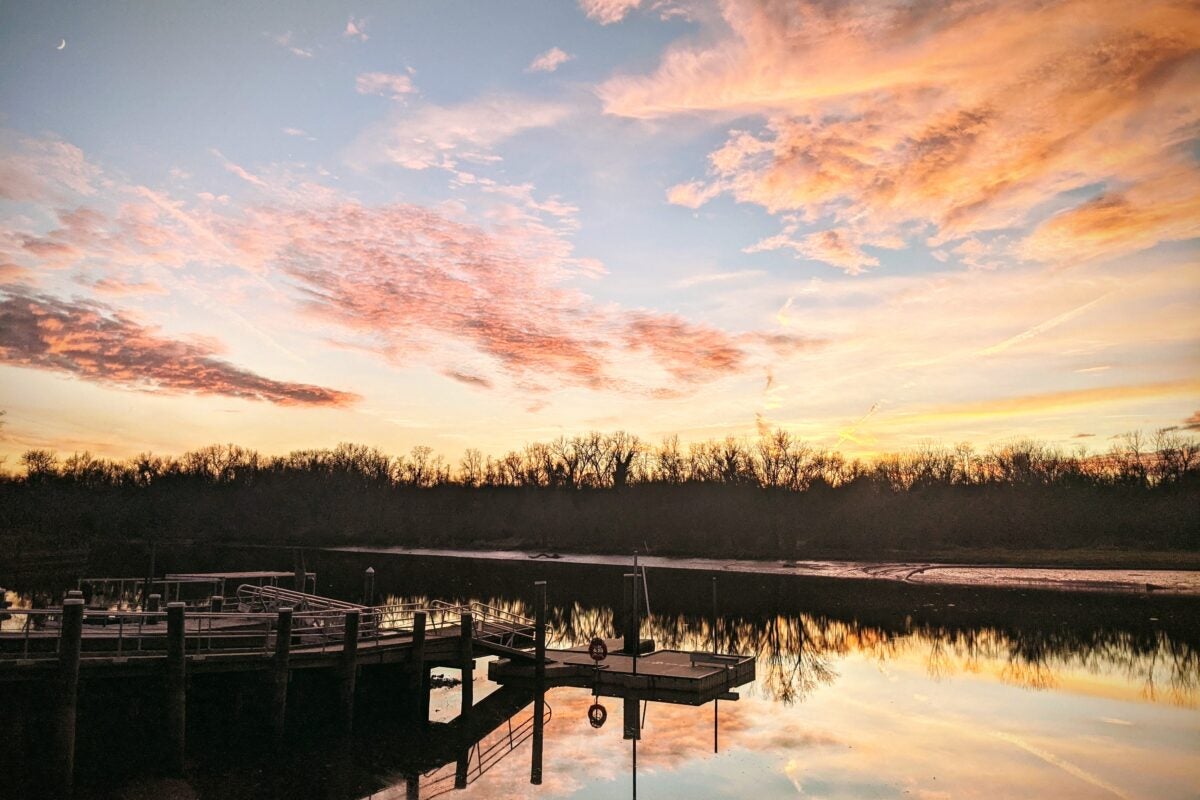
This man-made landscape of ponds and pathways feels expansive and tropical. There are many paths. Fishermen must make secret paths down to the river, for you will sometimes see them on the banks, with folding chairs and Modelo. Leaving the forested area, you will find yourself on top of a high levee, overlooking a residential neighborhood on one side and the river on the other. This part of the walk looks like something you would see in Mississippi, Louisiana, or Texas — the western states that were the destination of many who left Bladensburg and the Chesapeake more generally in the course of the 19th century, as the tobacco economy weakened and the cotton economy boomed.
Some of these Marylanders left voluntarily in the hopes of making a buck and expanding the empire, but most of them were forced to march south and west in slave coffles to do the hard work of empire-building in the cotton fields of the new states. Like the eastern tribes which Wirt attempted to defend, the enslaved of the Chesapeake had lived in the area for generations. They became a large group of internally displaced people, suffering a trauma that was almost as harsh and homesickness-inducing as the original trauma which had brought their ancestors from Africa generations earlier. For the Chesapeake had become their homeland. One of the many things that the slavery system took from enslaved people was this sense of having a connection with specific American places. The loss of so many people in this forced imperial displacement was a loss for Bladensburg as well. It left behind countless broken families, submerged tragedies which added to the desolation of the town.
Bladensburg is one of a handful of places in the American landscape which sat right on the edge of the North and South. While the Mason-Dixon line is traditionally considered the boundary between the two regions, everyone at the time knew that the cultural dividing line actually ran through the state of Maryland, increasingly so in the years right before the Civil War. In the northern and western counties of the state, where grain was the main crop, slavery still existed but was marginal and clearly dying out. In the southern and Eastern Shore tobacco counties, slavery was still the firm cultural foundation of society. Bladensburg sat right on the cusp of these two regions, and when Union soldiers arrived at the town they saw it as the last stop on any southward journey where they could expect to find any semblance of a friendly reception by the local white population — any further south into Prince George’s County, and they were met with pure hostility.
For the enslaved population as well, Bladensburg was a kind of border. North of the town, enslaved people had a realistic chance of escaping into Pennsylvania, whereas south of the town this became a more difficult proposition. As Eric Foner describes, this liminal part of Maryland was the center point of the drama involving the Underground Railroad — the relatively large number of formerly enslaved fugitives started as a local issue but rapidly turned into the most heated political conflict in the years immediately before the Civil War.
If you walk up Edmonston Road, you will see a neighborhood which is today almost entirely populated by Mexican and Salvadoran immigrants. Displaced people now move east as well as west, and the federal government today patrols these neighborhoods just as the Federal Marshals trolled Pennsylvania in the 1800s. On several occasions, I have seen Immigration and Customs Enforcement (ICE) officers prowling around the gas stations, restaurants, and bars on Edmonston and Kenilworth Avenue, yet another group of imperial agents trying to enact yet another round of depopulation on Bladensburg.
Now you will approach Bladensburg Waterfront Park, the site of the actual colonial port and the famous 1814 battle where the British burned the Capitol. For a long time, few wanted to remember this battle, because it was an American defeat.
This event had huge repercussions, such as the nation’s decision to put aside the founding fathers’ concerns about standing armies. James Monroe blamed the humiliating defeat on the poor performance of the local militias arrayed against the British. In reality, the military failure at Bladensburg may not have been due to an inherent deficiency in the militia form of military organization, but rather due to the fact that Bladensburg and the surrounding countryside was a Federalist stronghold. As a result, this area was deeply opposed to the War of 1812 to begin with. The Democratic-Republican press would later openly accuse the town of disloyalty. Undoubtedly this battle also saddled Bladensburg with a certain infamy. This remains, after all, the greatest military defeat the United States has ever suffered on its own territory.
It is hard for modern Americans to connect with the War of 1812. It has neither the glorious connotations of the Revolutionary War or World War II, nor the obviously morally repugnant features of the Mexican-American War, Vietnam War, or Iraq War. But the battle that happened at Bladensburg was critical to the history of all our wars and the imperial development of the United States. The decisions that Monroe made in the aftermath of the capture of Washington put in place the national military system which came into its full fruition during the Mexican-American War and which we still know today.
The county recently commissioned a mural representing the history of Bladensburg which includes an image of the burning White House. Next to this, the mural shows a vision of the Bladensburg of the future, containing shiny condo and office buildings which do not exist at the present time and probably never will. The chronology of this composite mural is confusing and startling. To someone unfamiliar with the history of the place, the mural might suggest that Washington will burn in the future and somehow usher in a new age of prosperity for Bladensburg.
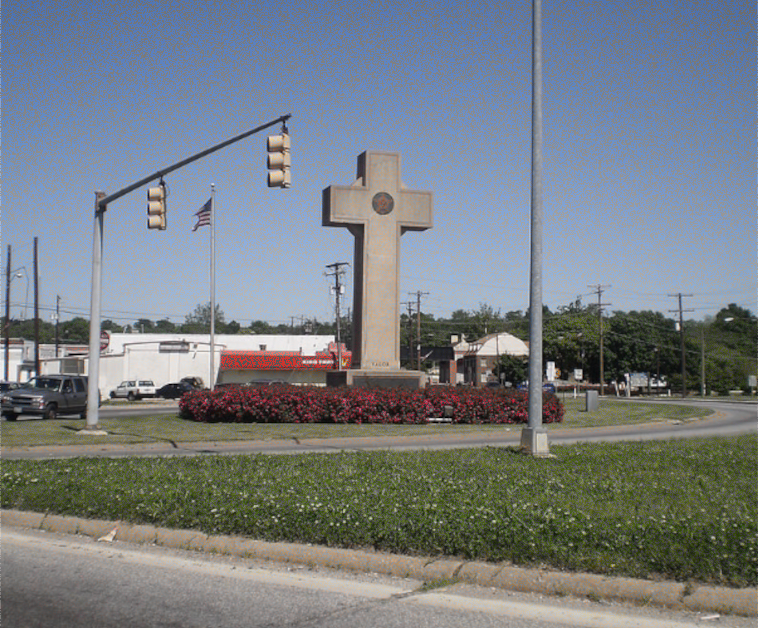
The mural is not the only piece of public art in Bladensburg. Inside the main traffic circle at the intersection of Annapolis Road and Baltimore Avenue sits the infamous Bladensburg Peace Cross. This is a World War I memorial that was the subject of a recent US Supreme Court case about the separation of church and state. Some civil liberties groups had argued that the county parks department should no longer maintain the cross since that violated the separation principle. The county parks department apparently wanted to keep maintaining it and found strange allies among the religious right. The battle was joined — a minor skirmish in the endless culture wars. In the end, the court case ended with a victory for the Peace Cross itself, which was allowed to stand on the grounds that the American public now viewed crosses as generic symbols of death and military sacrifice rather than as specifically Christian emblems.
Whatever its meaning, the Peace Cross certainly highlights the liminal nature of Bladensburg, for like the War of 1812, World War I was another morally confusing spectacle. Much of what people know today about World War I is vague and diffuse, like the light coming through the mist over the Anacostia river. World War I is overshadowed by World War II. We would prefer not to think too much about World War I. Neither side in the culture war enjoys it because it offers no easy lessons. The Peace Cross still stands, but no one really loves it.
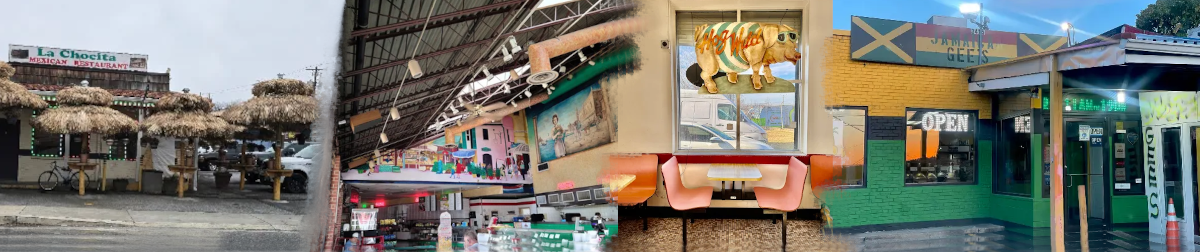
If you are now feeling overwhelmed by the weight of history, take a break and have lunch. La Chocita is a Mexican restaurant with unique carved wooden tables. Or you could go a bit further afield and visit Three Brothers on Kenilworth, a pizza place with giant murals of Leonardo da Vinci and Sophia Loren which is frequented by mechanics and postal workers. A third option is Burger Delite, a little greasy spoon that evokes the spirit of the 1960s. Lastly, you could try Jamaica Gee’s, a place with jerk chicken which is grilled in an old oil barrel on the side of the road. Any of these places will take your mind away from the sad contemplation of Bladensburg’s past and towards an encounter with the town’s vibrant and straightforward present. Go forth and observe this landscape not with the categorizing aesthetic gaze, but with an open heart and loving eyes.
After eating, you could visit the thrift shop called Village Thrift and continue on your way to Bostwick House, another of the many semi-abandoned mansions in the county. Bostwick House is by far the most evocative of the historical sites in the town, and I especially recommend that you explore its outbuildings and abandoned gardens. It is hard to believe that just a few hundred feet away there is a strip mall and gas station.
At the time of my last visit, there was a hot air balloon basket left absent-mindedly on the mansion’s porch; this evokes the end of the 18th century, when Bladensburg was the site for the first balloon experiments in the United States.
Looking down from the front porch of Bostwick House, you can also imagine the 1894 encampment of Coxey’s Army on the opposite bank of the Anacostia. Coxey’s Army was the first major protest march on Washington, with over 6,000 unemployed men from across the country converging on the capital to ask for government jobs. Eighty years after the British invasion, this was another sort of army also choosing Bladensburg as their invasion route. Sympathetic local landowners allowed them to stay in their fields.
It must have been quite a logistical undertaking, and the tent city must have been a wondrous sight. This could be a good subject for a film. Maybe this film has already been made. Frank Baum was present at the march, and some have said the event was the direct inspiration for Dorothy’s journey in the Wizard of Oz. Which makes Bladensburg the Emerald City, or at least that big field of poppies surrounding the Emerald City.
While Coxey failed in the short term, in the long-term public employment (military and civilian) was indeed to become the primary solution to the problems of the business cycle, and Washington would explode in size. As the 20th century progressed, the federal government increasingly took the reins of the economy, transforming the landscape of countless communities around the nation.
In Bladensburg itself, however, the government always seemed far away. The town became associated with lawlessness. As early as 1874, George Alfred Townsend would report “Desolation was Bladensburg to look at, and low-lived wickedness to know.” More than 50 years later during the Great Depression, it still had the same reputation — as a site for seedy taverns, gambling houses, and brothels. When the government did turn its attention to the town, it was only to tear it up further with highways and burden it with sewage treatment facilities. The Anacostia River became one of the most polluted rivers in the entire nation, and Bladensburg sat downstream, taking it all in.
White and Black people mixed in Bladensburg, as did immigrants and natives of all kinds. Because it was a site of neglect, it also became the site of a certain looseness — which was rare in the tightly-wound DC area. In the 1950s, roadhouses here gave birth to a unique style of blues-inflected music. Things had come full circle. The descendants of those same internally displaced cotton field workers in Mississippi and Louisiana had developed a form of music which came back to their ancestors’ original homeland. Perhaps even the levee landscapes made this music feel more at home. Sadly, none of the roadhouses survive today. Chick Hall’s Surf Club was one of the last ones standing. I celebrated my 30th birthday there, and we all enjoyed its antique dance floor. Soon after our visit, it was turned into a laundromat.

The Crossroads Club (right next to the Peace Cross) is currently empty, but for many years it served as the habitat for one of 1970s American music’s most mysterious characters, the legendary guitarist Roy Buchanan. Although you can no longer see the stage where Buchanan played his weekly gigs and possibly rejected Mick Jagger’s job offer, you can still go to the barber school where he trained for his day job.
Incomprehensible violence remains a part of our story. There are so many scarred landscapes around our nation, where people do what they can to get by.
The Bladensburg Barber School is a wood-paneled relic of the 1970s where you can get a haircut for eight dollars. Although Roy Buchanan was white and even marginally famous, he still died mysteriously in 1988 in police custody in Fairfax, Virginia. I went to get my hair cut at the barber school twice. On the first occasion, the barber trainees were all watching the televised trial of Derek Chauvin, the murderer of George Floyd. On the second occasion, they were watching the trial of Payton Gendron, the shooter who murdered ten Black people in Buffalo.
There are still people who seem to hate the “dirty” places of our land, the bruised and mixed-up places like Bladensburg, the places associated with defeat or impurity. Other people do not hate them, but simply ignore them. But these places will survive and carry forward the living spirit of the United States anyway, while the museum precincts rest frozen in their ageless amber shells.
If you have gotten this far on your tour of Bladensburg, and if night has fallen, I recommend you put on your earphones, walk down to the Bladensburg Waterfront Park one last time, and listen to Buchanan’s masterpiece, the instrumental “Sweet Dreams.” No one can say what will happen to Bladensburg, or what future chapters in American history it will play a role in. Maybe one day yet another army will pass here towards the capital, through the gates of Bladensburg. Or maybe eventually it will transform into something completely different, its centuries-long reputation finally discarded in a burst of new development. For now, though, the only thing I hope for Bladensburg is that it can be loved and appreciated for what it is today and for all it has endured.

